.png?width=300&height=100&name=Copy%20of%20Rise%20Beyond%20Logo%2012.31.24%20(300%20x%20100%20px).png "Rise Beyond Fly Fishing Co. logo featuring a cowboy riding a large trout, holding a fishing rod in one hand and a camera in the other, with stylized text in a rugged, outdoor-themed font")
.png)
Colorado is not forgiving on fly rods.
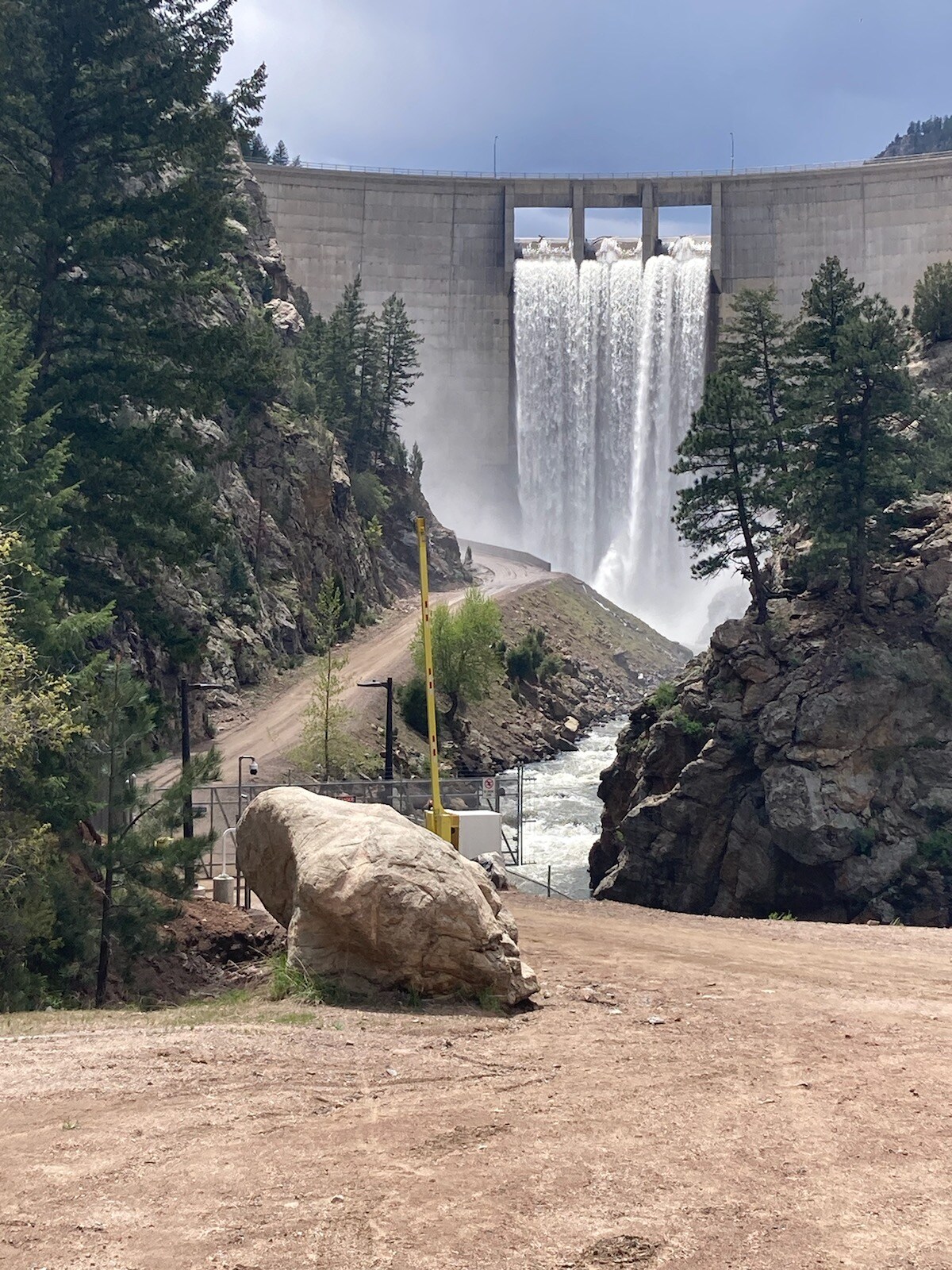
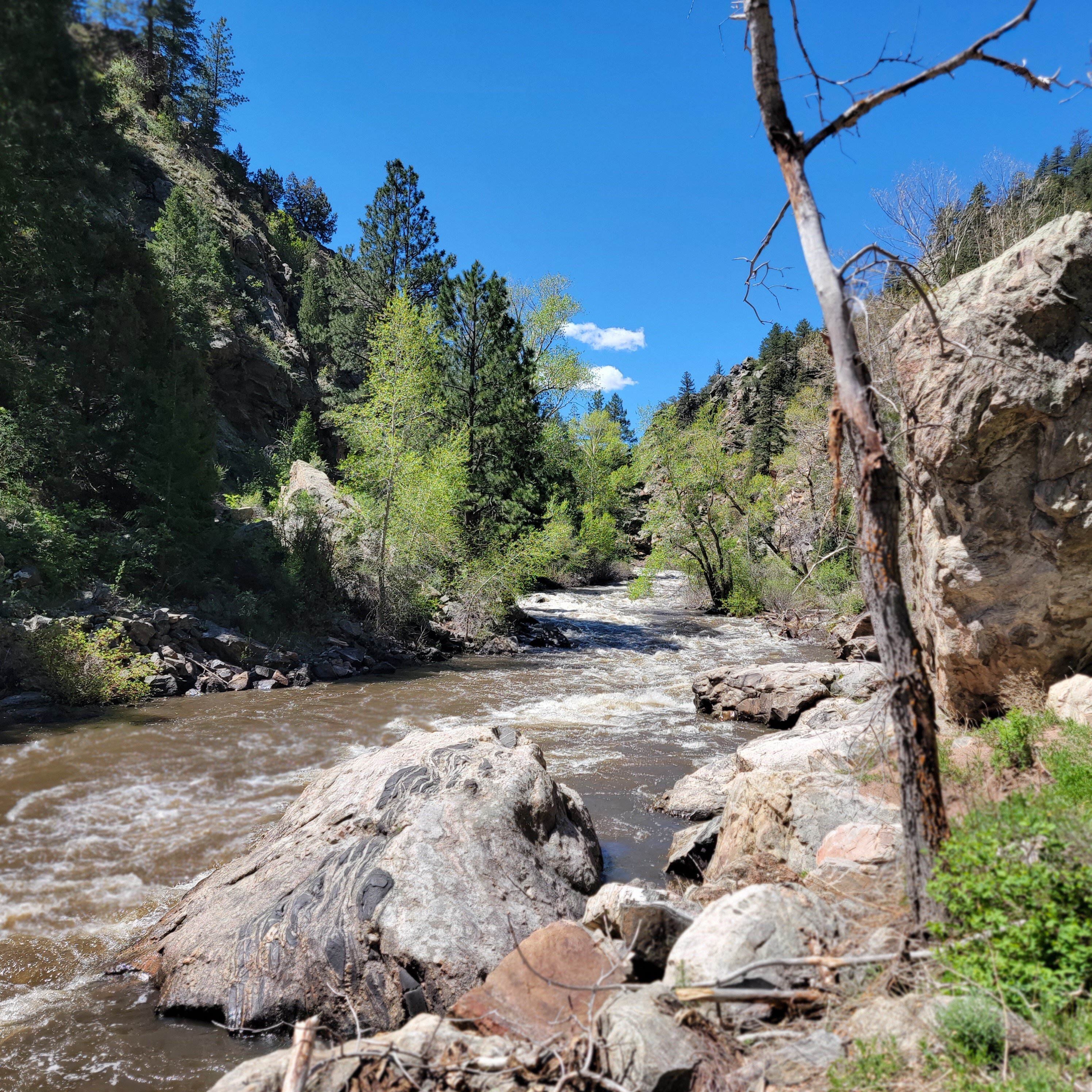
Between tight Front Range creeks, windy tailwaters, big western rivers, and heavily pressured trout, the wrong rod shows its weaknesses fast.
This guide breaks down the best fly rods for Colorado rivers based on where and how people actually fish here. No brand hype. No one-rod-fits-all claims. Just practical recommendations by water type, rod weight, and technique.
Listen to the Audio Overview
What Colorado Demands From a Fly Rod
Colorado fishing rewards control, not hero casts.
Most trout are hooked inside forty feet. Wind is a constant. Pressure is real. Presentation matters more than distance almost everywhere you fish.
A good Colorado fly rod needs to feel accurate at short to medium range. It needs to manage line well when the wind picks up. It has to handle nymph rigs and light streamers without feeling like a broomstick. And it needs enough feel in the tip to protect light tippet on technical water.
If a rod only feels good when you’re throwing long loops, it’s the wrong tool for most Colorado rivers.
Fly Rod Lengths That Make Sense in Colorado
Rod length is one of the most overlooked decisions anglers make.
In Colorado, rods between eight and a half and nine feet cover more water types than anything else. Shorter rods can feel great on tight creeks but quickly become limiting on bigger rivers. Longer rods add reach and mending ability without sacrificing accuracy when chosen correctly.
For most anglers, nine feet is the sweet spot.
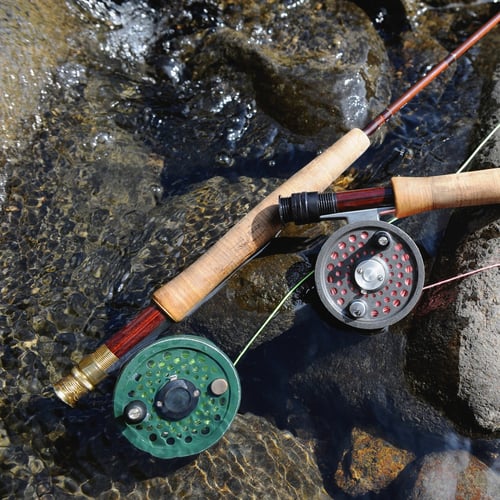
Choosing the Right Rod Weight for Colorado Water
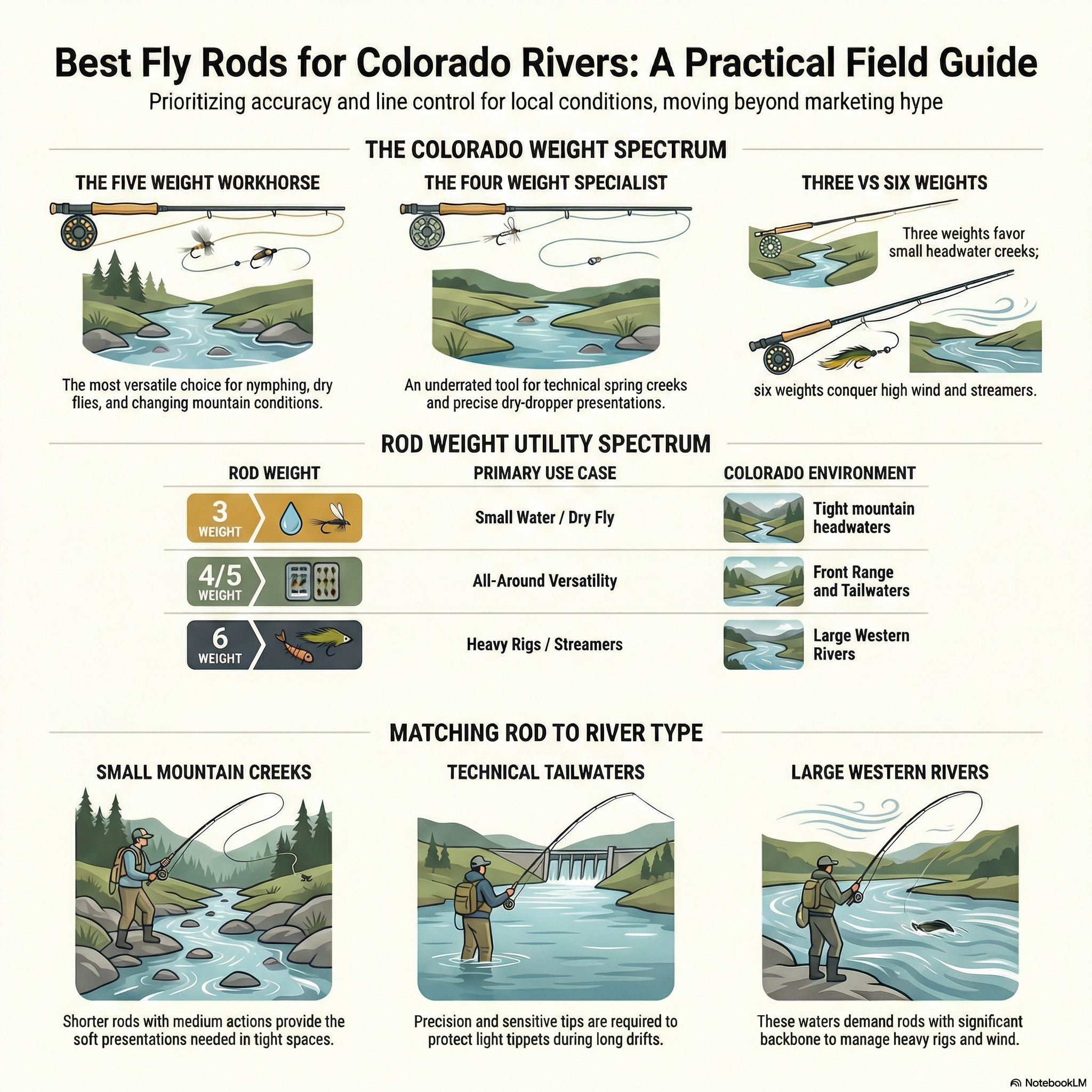
Three Weight Rods
Three weights are pure fun on small water.
They shine on headwater creeks, tight mountain streams, and places where casts are short and accuracy matters more than power. They turn dry fly fishing into a feel-based game.
The tradeoff is wind and weight. These rods struggle when you add nymph rigs or when the weather turns against you.
Four Weight Rods
Four weights are the most underrated rods in Colorado.
They handle dry flies beautifully but still have enough backbone for dry dropper rigs and light nymphing. On spring creeks and medium freestones, they feel balanced and precise.
If you fish technical water often, a four weight earns its keep fast.
Five Weight Rods
The five weight is the Colorado workhorse.
It does everything reasonably well without excelling at just one thing. Nymphing, dry flies, light streamers, windy days, changing conditions. If you only own one rod in Colorado, this is the safest choice.
It may not be the most exciting rod in your quiver, but it is the most useful.
Six Weight Rods
Six weights are tools for specific days.
They shine when flows are up, when you’re throwing streamers, or when the wind refuses to cooperate. On larger rivers, they give you control and confidence.
They are less enjoyable on small water, but on the right day, they are the right tool.
Matching Your Rod to Colorado River Types
Small Mountain Creeks
Shorter rods in lighter weights perform best here. Accuracy and control matter more than power. Medium actions help keep presentations soft and natural in tight spaces.
Front Range Rivers
These rivers demand versatility. Wind, pressure, and mixed techniques are the norm. A nine foot four or five weight with a forgiving tip and a strong mid-section handles most situations well.
Tailwaters
Tailwaters reward precision. Drift control and sensitivity matter more than distance. Softer tips help protect light tippet and maintain feel during long, technical drifts.
Large Colorado Rivers
Bigger rivers call for more backbone. Longer drifts, heavier rigs, and aggressive fish demand rods that can manage line and pressure without feeling overmatched.
What Actually Matters When Buying a Fly Rod in Colorado
Forget casting distance.
Accuracy matters more. Line control matters more. Versatility matters more.
Colorado rewards anglers who can adapt to changing conditions and fish efficiently under pressure. The right rod helps you do that without getting in the way.
Final Thought
The best fly rod in Colorado is the one that fits the water you fish most often.
If you’re unsure, start with a versatile setup and build from there. Conditions change quickly here, but good fundamentals carry across every river.
If you want to see how current flows and conditions might influence your rod choice, check today’s Colorado river reports before you rig up.