.png?width=300&height=100&name=Copy%20of%20Rise%20Beyond%20Logo%2012.31.24%20(300%20x%20100%20px).png "Rise Beyond Fly Fishing Co. logo featuring a cowboy riding a large trout, holding a fishing rod in one hand and a camera in the other, with stylized text in a rugged, outdoor-themed font")
.png)
The South Platte River is one of Colorado’s most diverse fisheries, and winter amplifies those differences fast. From the open meadow water of the Dream Stream, through the canyon-bound tailwater sections of Cheesman Canyon and Deckers, down to the quieter, softer structure of Waterton Canyon and the North Fork, the South Platte offers five distinct winter fisheries tied together by the same cold-season rules.
Jump to the Dream Stream Report
Jump to the Waterton Canyon Report
Jump to the Deckers Report
Jump to the Cheeman Report
Jump to the North Fork Report
.png?width=900&height=900&name=unnamed%20(60).png)
Updated: March 4, 2026
March is a transition month on the South Platte. Midges still dominate. Baetis are increasing. Freestone stretches are waking up. Tailwaters remain technical.
The key now is not just what fly you tie on. It is where you decide to fish. Each section is behaving differently. Pick your water based on pressure tolerance and presentation confidence.
Listen to the Audio Overview
Weather
South Platte Hatch Chart – March
| Bug Type | Size | Notes |
|---|---|---|
| Midges | 20 to 26 | Dominant mornings across all sections |
| Baetis | 18 to 20 | Increasing afternoon activity |
| Stoneflies | 12 to 16 | Most relevant in North Fork |
| Leeches | 8 to 12 | Trigger option in deeper pools |
Top Flies in Your Box This Week
Primary Method: Section Dependent Seam and Structure Nymphing
Primary Hatch: Midges and Increasing Baetis
- Top Secret Midge Olive 22 to 24: Tailwater seams at Waterton and Cheesman.
- Black Beauty Thin Thread 22 to 24: Clear pressured water at Deckers.
- JuJu Baetis Olive 18 to 20: Afternoon lift in all sections.
- CDC RS2 Gray 20 to 22: Mid column during subtle hatch windows.
- Barr’s Graphic BWO Nymph 18 to 20: Transition periods across the system.
Secondary Focus: Stoneflies in Freestone Water
- Small Pat’s Rubber Legs Brown 12 to 14: North Fork pocket heads.
- Dark Stonefly Slim Variant 14 to 16: Structure oriented freestone water.
- Thread Frenchie Natural 16 to 18: Dropper in pocket water sections.
Attractor and Trigger
- Mini Pine Squirrel Leech Olive 10 to 12: Deeper bends and low light.
- Micro Sculpzilla Natural 8 to 10: Target aggressive fish during wind or cloud cover.
Pro Rig of the Week: March South Platte Transition Rig
- Indicator: Small New Zealand style yarn
- Lead Fly: JuJu Baetis 18
- Dropper: Top Secret Midge 22
- Weight: Micro split shot 10 to 12 inches above lead fly
- Target Water: Walking speed seams and depth transitions in all tailwater sections
For North Fork, swap in a size 14 stonefly as the lead.
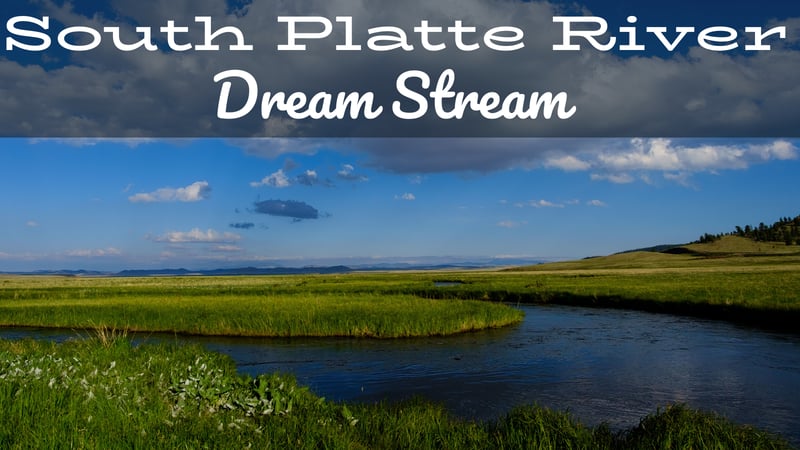
South Platte River Fly Fishing Report – Dream Stream
%20(4).png?width=800&height=175&name=Guide%20Rating%20(800%20x%20175%20px)%20(4).png)
The Dream Stream is cold, open, and unforgiving right now. Low flows and ultra-clear water push trout into deep meadow troughs and slow inside bends where every approach matters. Midges dominate the food supply, and long leaders with minimal weight are required for success during a narrow midday window.
- Flow: 92 CFS. Low meadow flow concentrating fish into deep troughs.
- Water Temperature: 38 °F
- Air Temperature: 47 °F
- Wind: 8 to 18 mph
- Clarity: Clear
- Crowds: Medium
- Primary Hatch: Midges transitioning to Baetis
- Best Window: 11 a.m. to 3 p.m.
- Overall Rating: Selective trophy water
Access Points
- South Park Meadows | 📍 Locals Rating ⭐️⭐️⭐️⭐️⭐️ 5.0
- County Road 9 Bridge | 📍 Locals Rating ⭐️⭐️⭐️⭐️ 4.0
- Lower Meadow Troughs | 📍 Locals Rating ⭐️⭐️⭐️⭐️
Want the full breakdown with flies, access points, and hatch chart?
See the full Dream Stream report here.
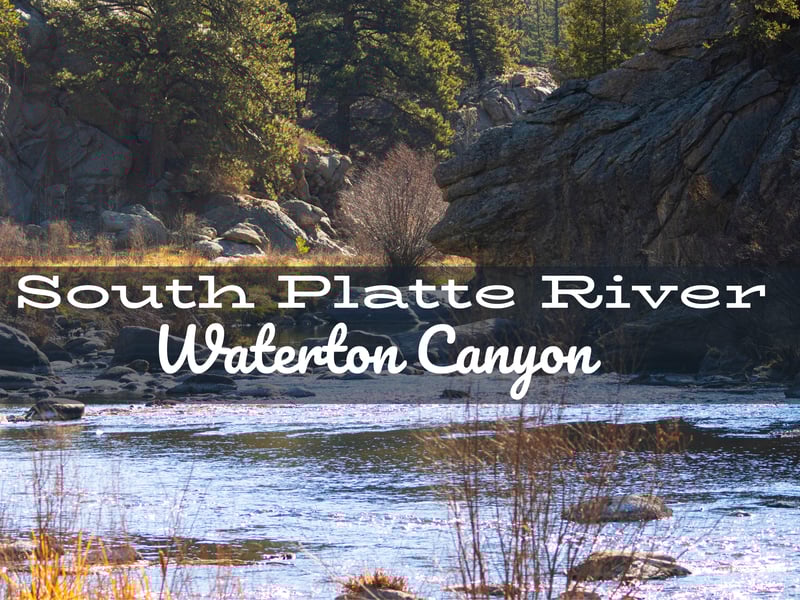
South Platte River Fly Fishing Report – Waterton Canyon
%20(2).png?width=800&height=175&name=Guide%20Rating%20(800%20x%20175%20px)%20(2).png)
Waterton Canyon fishes slower and more methodically in winter, with trout holding in long walking-speed runs and deeper bends. Clear water and steady flows favor anglers who focus on depth control and patience rather than covering water quickly.
- Flow: 74 CFS. Tight seams and controlled winter lanes.
- Water Temperature: 38 °F
- Air Temperature: 45 °F
- Wind: 4 to 10 mph
- Clarity: Clear
- Crowds: Medium
- Primary Hatch: Midges with increasing Baetis
- Best Window: 11 a.m. to 2 p.m.
- Overall Rating: Technical tailwater precision
Access Points
- Waterton Canyon Trailhead | 📍 Locals Rating ⭐️⭐️⭐️⭐️ 4.5
- Two Mile Section | 📍 Locals Rating ⭐️⭐️⭐️⭐️ 4.0
- Upper Trail Pull-Offs | 📍 Locals Rating ⭐️⭐️⭐️ 3.5
See the full Waterton Canyon report with top flies and access points here.
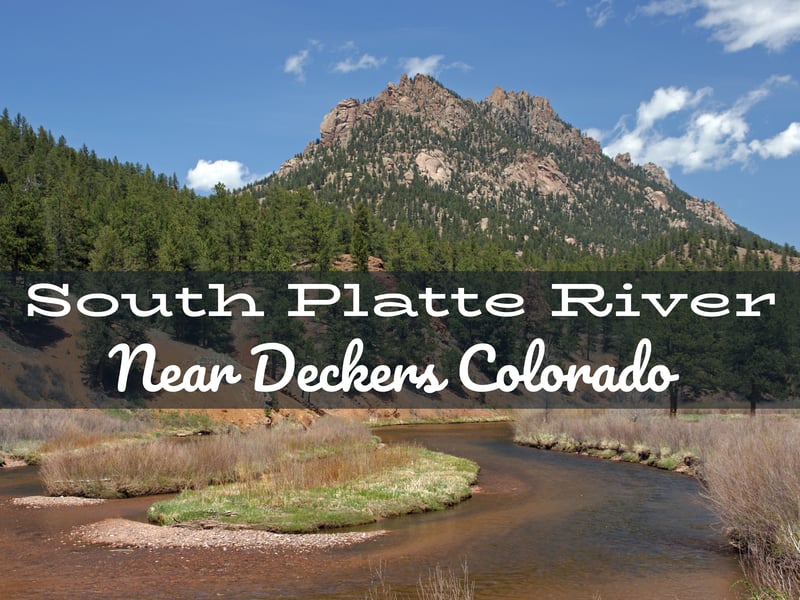
South Platte River Fly Fishing Report – Deckers
Deckers is fishing cleaner and more predictably than most South Platte sections right now, but pressure remains constant. Flows are low and stable, pushing trout into defined seams, tailouts, and deeper mid-river buckets. Midges and small mayflies dominate, and success hinges on clean drifts through walking-speed water during the late morning and early afternoon window.
- Flow: 152 CFS. Stable release with defined tailouts and walking speed seams.
- Water Temperature: 39 °F
- Air Temperature: 44 °F
- Wind: 4 to 11 mph
- Clarity: Clear
- Crowds: Medium to High
- Primary Hatch: Midges transitioning to Baetis
- Best Window: 11 a.m. to 2 p.m.
- Overall Rating: Reliable but pressured
Access Points
- Trumbull Stretch | 📍 Locals Rating ⭐️⭐️⭐️⭐️⭐️ 5.0
- Bridge to Bridge | 📍 Locals Rating ⭐️⭐️⭐️⭐️ 4.5
- Upper Pull-Offs | 📍 Locals Rating ⭐️⭐️⭐️ 3.5
Read the complete Deckers report here.
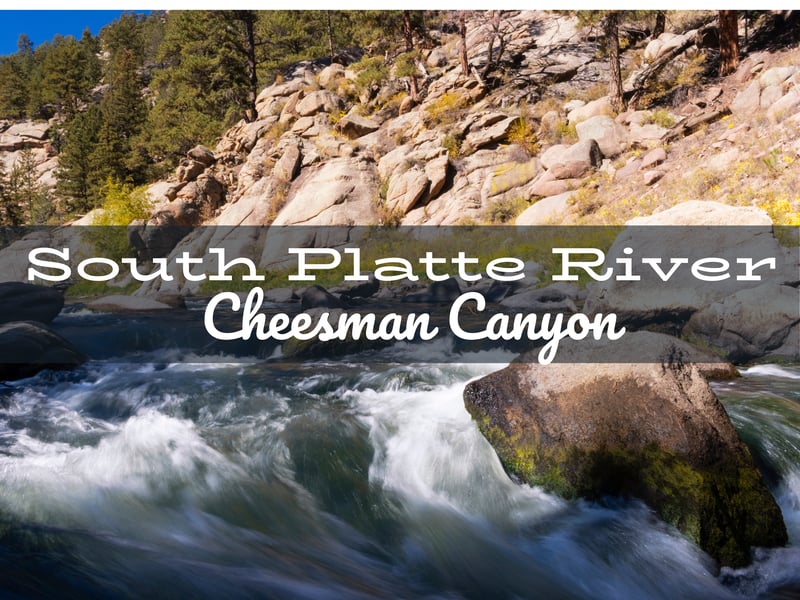
South Platte River Fly Fishing Report – Cheesman Canyon
Cheesman Canyon fishes quietly in winter, rewarding anglers willing to hike and slow down. Clear water and reduced pressure push trout into deep slots and long canyon seams. Midges are the primary food source, and clean drifts through depth matter more than fly changes.
- Flow: 124 CFS. Classic canyon pocket seams and deeper structured runs.
- Water Temperature: 37 °F
- Air Temperature: 43 °F
- Wind: 3 to 8 mph
- Clarity: Clear
- Crowds: Low to Medium
- Primary Hatch: Midges and increasing Baetis
- Best Window: 11 a.m. to 3 p.m.
- Overall Rating: High reward technical canyon fishing
Access Points
- Upper Canyon Access | 📍 Locals Rating ⭐️⭐️⭐️⭐️ 4.5
- Middle Canyon Bends | 📍 Locals Rating ⭐️⭐️⭐️⭐️ 4.0
- Lower Canyon Exit | 📍 Locals Rating ⭐️⭐️⭐️ 3.5
Full Report available in the full Cheesman report here.
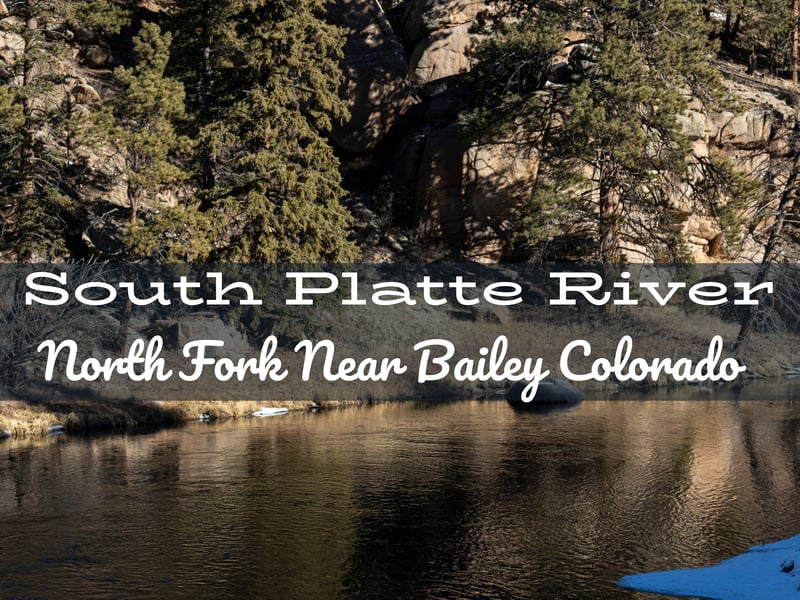
South Platte River Fly Fishing Report – North Fork
%20(3).png?width=800&height=175&name=Guide%20Rating%20(800%20x%20175%20px)%20(3).png)
The North Fork fishes quieter and more freestone-like than the mainstem during winter. Lower pressure and colder water mean fewer bites, but fish are present in deeper pools and slower edges. Scuds and midges make up most of the winter diet.
- Flow: 105 CFS. Freestone pocket water concentrated and clear.
- Water Temperature: 37 °F
- Air Temperature: 42 °F
- Wind: 5 to 12 mph
- Clarity: Clear
- Crowds: Low
- Primary Hatch: Early stoneflies and midges
- Best Window: 11 a.m. to 3 p.m.
- Overall Rating: Underrated early spring option
Access Points
- ridge Crossing Pull-Off | 📍 Locals Rating ⭐️⭐️⭐️⭐️ 4.0
- Lower Canyon Bends | 📍 Locals Rating ⭐️⭐️⭐️⭐️ 4.0
- Upper Roadside Stretch | 📍 Locals Rating ⭐️⭐️⭐️ 3.0
See the full North Fork breakdown including flies, access, and weather here.
Photo of the Month
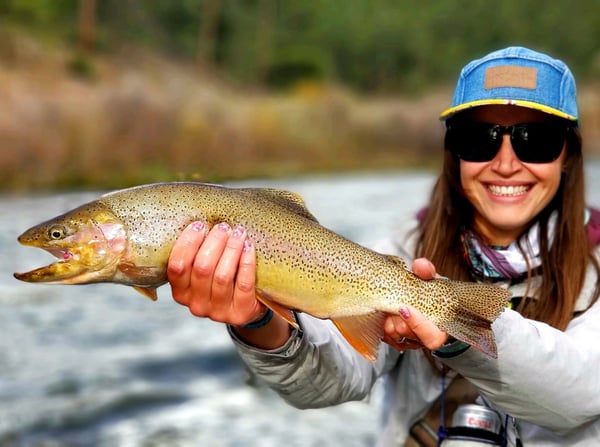
Credit: Colorado Trout Hunters
Book Colorado Trout Hunters for Private Waters and Top access along the South Platte
FAQ on This Spot
Which South Platte section fishes best in winter?
Waterton and Deckers offer the most consistent structure and access.
Is the Dream Stream worth the pressure?
Yes, if you fish early and stay disciplined.
Where is pressure lowest right now?
Cheesman Canyon and the North Fork.
.png)