.png?width=300&height=100&name=Copy%20of%20Rise%20Beyond%20Logo%2012.31.24%20(300%20x%20100%20px).png "Rise Beyond Fly Fishing Co. logo featuring a cowboy riding a large trout, holding a fishing rod in one hand and a camera in the other, with stylized text in a rugged, outdoor-themed font")
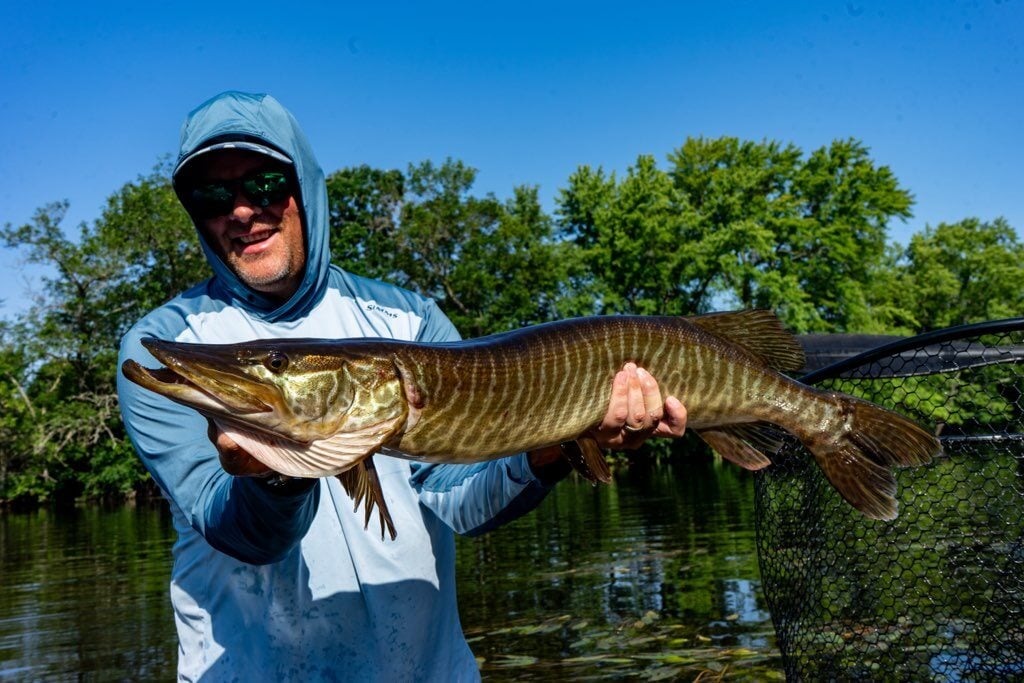
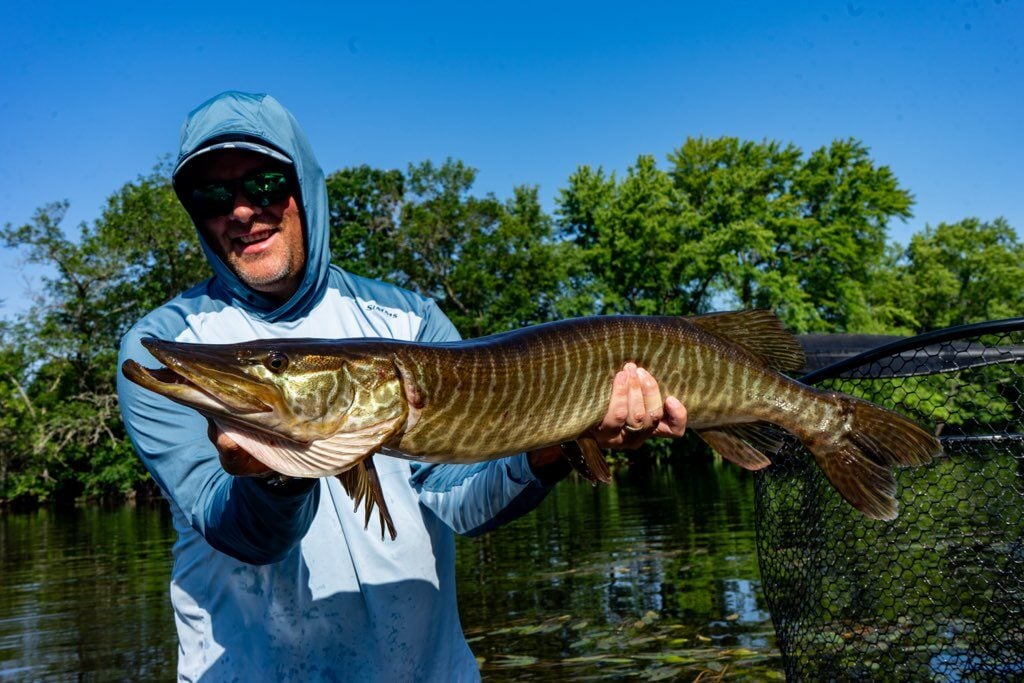
For fly anglers seeking the thrill of catching Colorado’s apex predator, the Tiger Muskie, there are several prime locations across the state. Muskie, known for their elusive nature and aggressive strikes, can be found in specific lakes and reservoirs thanks to stocking efforts by Colorado Parks and Wildlife. Though non-native, these hybrid fish (a cross between Northern Pike and Muskellunge) have been introduced primarily to control sucker populations, creating a unique opportunity for fly fishers.
Listen to the Podcast!
What’s Real, What’s Rare, and Where to Try
Let’s get one thing straight up front.
Colorado does not have true muskellunge fisheries. What anglers encounter here are tiger muskie, a sterile hybrid of northern pike and muskellunge stocked by Colorado Parks and Wildlife for fisheries management.
That distinction matters.
Tiger muskie fishing in Colorado is not a numbers game, not a destination fishery, and not comparable to Midwest musky waters. It is a rare, opportunistic pursuit that rewards patience, preparation, and realistic expectations.
This guide explains what fly fishing for tiger muskie in Colorado actually looks like, where opportunities exist, and how to approach them responsibly.
Are There Tiger Muskie in Colorado
Yes, but only by design.
Colorado Parks and Wildlife stocks tiger muskie in select lakes and reservoirs to help control overpopulated forage species and manage fish communities. Because tiger muskie are sterile, there are no self-sustaining populations. Their presence depends entirely on stocking decisions, which can change over time.
In practical terms, this means encounters are infrequent, densities are low, and success is measured in moments rather than numbers.
Best Locations for muskie Fly Fishing in Colorado
Tiger muskie waters in Colorado change based on management goals, stocking cycles, and fish population dynamics. Before fishing any lake, always confirm current regulations and stocking status with Colorado Parks and Wildlife.
The following lakes are commonly associated with tiger muskie presence, though encounters are never guaranteed.
Spinney Mountain Reservoir
Spinney Mountain Reservoir is one of the more well-known waters with tiger muskie present.
Most encounters are incidental while targeting trout or northern pike, but dedicated anglers focus on shallow structure, weed edges, and low light periods. Clear water, wind, and pressure make this a challenging but legitimate option.
Eleven Mile Reservoir
Eleven Mile Reservoir has a long history of tiger muskie stocking as part of its management strategy.
Fish are spread out and encounters are uncommon. Fly anglers should focus on structure during early morning or evening windows when conditions are most favorable.
Patience is essential here.
Williams Fork Reservoir
Williams Fork Reservoir is often cited as one of the more realistic lakes for anglers specifically interested in tiger muskie.
It offers a mix of depth, structure, and forage that can support large predators. Access and water levels vary, but this remains one of the better places to commit time if targeting tiger muskie on a fly.
Quincy Reservoir
Quincy Reservoir is small, heavily managed, and highly pressured.
Tiger muskie are present, but space is limited and timing matters. This water is best approached with realistic expectations and an understanding that opportunities are few.
Best Times and Techniques for muskie Fishing
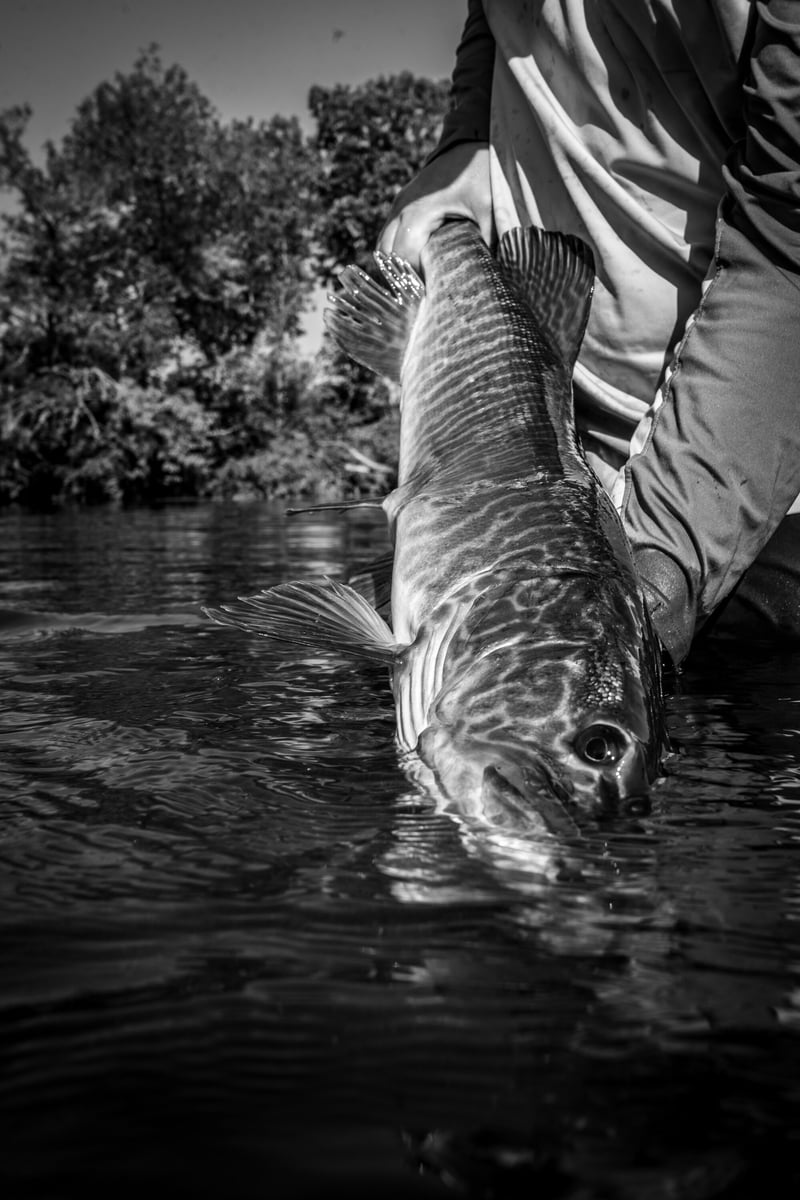
muskie are most active during late summer, particularly in August and September, when water temperatures cool slightly, driving the fish into shallow waters to feed. Early mornings and late evenings are prime times to fish, and many anglers find success during dusk or even at night.
- Fly Selection: Large streamers and flashy flies, such as bucktails and topwater lures, are most effective. Bright, unnatural colors like chartreuse and red are particularly effective in the late summer, when muskies are more aggressive
- Retrieve Speed: Speed is essential when fly fishing for muskie. A fast retrieve with a medium-heavy rod will help you mimic the movement of prey and provoke a strike
- Figure-8 Technique: Muskies are notorious for following a fly right up to the boat. The "Figure-8" technique—moving the rod tip in a figure-8 motion near the surface—can extend your chances of landing these finicky fish
Pro Tip: A muskie Challenge Awaits
Catching muskie on the fly in Colorado requires patience, skill, and determination, but with the right locations, techniques, and gear, anglers have a real shot at landing one of these elusive predators. Whether you're casting in the deep waters of Gross Reservoir or wading through the weed-rich shallows of Lower Big Creek Lake, Colorado offers fantastic muskie fly fishing opportunities for those who are up for the challenge.
Fly Gear That Makes Sense for Tiger Muskie in Colorado
Fly fishing for tiger muskie in Colorado is not finesse fishing.
Anglers typically use heavy fly rods capable of casting large flies, paired with aggressive sinking or intermediate lines. Bite protection is essential, often in the form of wire or heavy fluorocarbon leaders.
Undersized gear leads to broken rods, lost fish, and unnecessary stress on the fish.
Optimal Season and Conditions
muskie fly-fishing in Colorado is most productive from late spring through fall, with anglers often preferring the fall cool-down window for its improved activity and fish health. During hot summer months, focus on low-light periods (dawn/dusk) and always minimize fish handling time to reduce stress.
Recommended Gear
Fly fishing for tiger muskie demands heavy-duty gear:
- Rod: 9–10 weight fly rod
- Leader: Short steel or 60–80 lb fluorocarbon bite tippet
- Reel: Rugged full-arbor reel with strong drag
This setup ensures hook-setting power and control during hard-fighting encounters.
Regulations Snapshot
- Statewide limit: 1 tiger muskie ≥ 36 inches, statewide (but always check for water-specific rules).
- Note: CPW has proposed changes for certain areas like Shadow Mountain/Grand Lake/Granby; however, as of today, the 36" one-fish limit remains in effect.
Quick Access & Amenity Notes
- Evergreen Lake: Check Evergreen Park & Recreation District (EPRD) seasonal rules and boating policies.
- Pinewood Reservoir: Access is limited to hand-launch and non-motorized craft—great for stealthy float-fishing.
Important Disclaimer
This article is provided for general informational purposes only.
We are not lawyers, biologists, or regulatory authorities. Fishing regulations, stocking practices, and access rules can change and often vary by water and season.
Always consult official Colorado Parks and Wildlife regulations or qualified professionals if you have questions about specific legal or regulatory situations.
When in doubt, verify before you fish.
-1.png)