.png?width=300&height=100&name=Copy%20of%20Rise%20Beyond%20Logo%2012.31.24%20(300%20x%20100%20px).png "Rise Beyond Fly Fishing Co. logo featuring a cowboy riding a large trout, holding a fishing rod in one hand and a camera in the other, with stylized text in a rugged, outdoor-themed font")
.png)
.png?width=800&height=533&name=fly%20fishing%20in%20colorado%20(47).png)
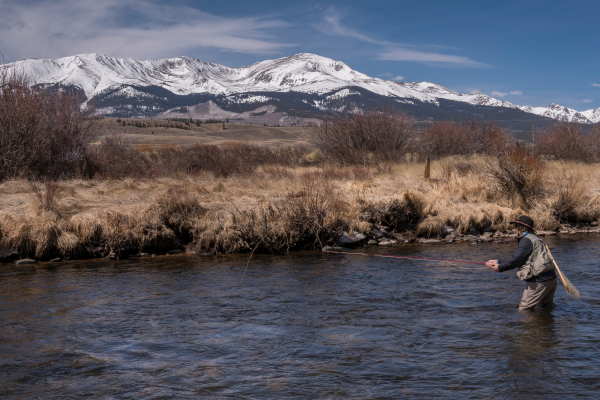
Winter fishing in Colorado isn’t just about bundling up and hoping for the best. Trout switch gears entirely once water temps drop below 42 degrees, and if you understand the shift, you can out-fish almost everyone else on the river. This guide covers how trout behave, how food sources shrink, how flows influence holding water, and how to build a winter strategy that works anywhere from Cheesman Canyon to the Yampa.
Quick Take: How Trout Behave in Winter
When water temperatures fall into the mid-30s and low 40s, trout move into conservation mode. They slide into soft edges, deeper runs, and slower troughs to minimize energy use. They feed less often, but they don’t stop eating. Your success rate depends entirely on reading winter lies and putting small flies directly in their feeding window.
Where Trout Actually Hold in Winter
Soft Edges
This is the most important zone. Winter trout avoid fast water because it burns calories they can’t afford. Look for slow, glassy seams on the inside bends.
Deep Buckets and Troughs
Anywhere the river forms a long depression or a green bucket, trout settle in and feed predictably through the warmest part of the day.
Mid-Depth Shelves
During mild winter afternoons, fish slide up a few feet to pick off midges drifting mid-column. This is prime for small emergers and light nymph rigs.
Tailouts
Not always a summer hotspot, but winter tailouts create “energy saver lanes” where trout barely have to move to intercept food.
What Trout Eat in Colorado Winters
Midges
The number one food source. All day. Every day.
Small Baetis (BWO)
Baetis still hatch in winter, especially when cloud cover holds steady.
Scuds
On tailwaters like Cheesman, the Dream Stream, and the Blue, scuds are a year-round protein source.
Winter Stones
Not a major hatch, but enough activity occurs that trout will eat them in slower water.
How Often Trout Actually Feed
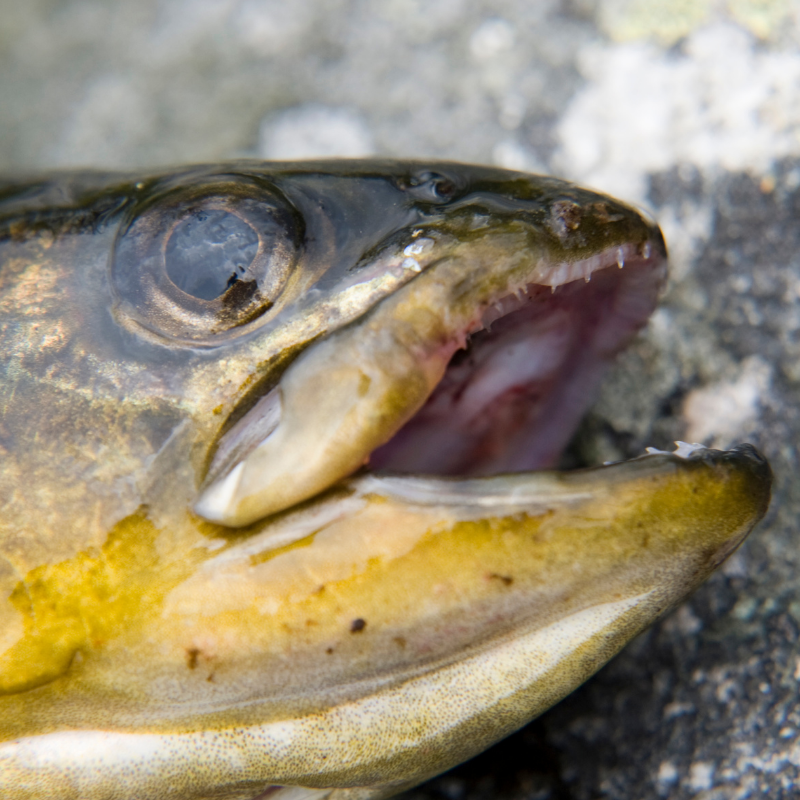
Winter trout feed in shorter windows, usually 11 am to 3 pm. Their metabolism slows dramatically, so your goal is timing and precision.
Morning: Slow, lethargic, very few eats
Midday: Peak activity, best drifts, best sun angle
Late afternoon: Still productive but cooling quickly
If you fish before 10 am in winter, you are mostly practicing casting.
Winter Fly Strategy
A simple winter fly box should include:
- Black Beauty 20 to 24
- Top Secret Midge 20 to 24
- Mercury Midge 20 to 22
- WD40 20 to 22
- RS2 20 to 22
- Barr’s BWO 20
- Micro Stone 16 to 18
- Mini Leech 12
Keep it light. Keep it small. Keep your tippet thin.
The Winter Rig Approach
You don’t need fancy rigs. You need clean drifts and tight windows.
1. Shallow Double Midge Rig
Perfect for Cheesman, Deckers, Dream Stream, and the Blue.
2. Micro Split Shot
Use just enough weight to tick bottom occasionally but never drag.
3. Small Indicators
Big indicators ruin winter drifts. Pinch-ons or tiny yarn are king.
Reading Winter Water Like a Guide
Look for green water
If the water has that deep jade color, it's holding fish.
Avoid the bubbly, chaotic runs
Trout won’t sit there in winter unless forced.
Watch the sunlight
Light warms canyon walls and changes feeding behavior dramatically from 11 am to 2 pm.
Check the edges first
Trout move surprisingly close to the bank during slow winter flows.
Targeting Colorado Tailwaters vs Freestones
-1.png?width=600&height=400&name=fly%20fishing%20in%20colorado%20(8)-1.png)
Tailwaters
Consistent temps and steady winter hatches. These are your best bet for technical success. Cheesman, Dream Stream, and the Blue remain prime.
Freestones
Cold, low, and challenging. Focus midday only. Expect slower fishing overall.
The 5 Rules of Winter Trout Fishing
- Fish the warmest part of the day
- Use small flies and long leaders
- Target slow water
- Focus on midges
- Don’t over-weight your rig
Follow these and you can turn even cold, windy days into steady hookups.