.png?width=300&height=100&name=Copy%20of%20Rise%20Beyond%20Logo%2012.31.24%20(300%20x%20100%20px).png "Rise Beyond Fly Fishing Co. logo featuring a cowboy riding a large trout, holding a fishing rod in one hand and a camera in the other, with stylized text in a rugged, outdoor-themed font")
.png)
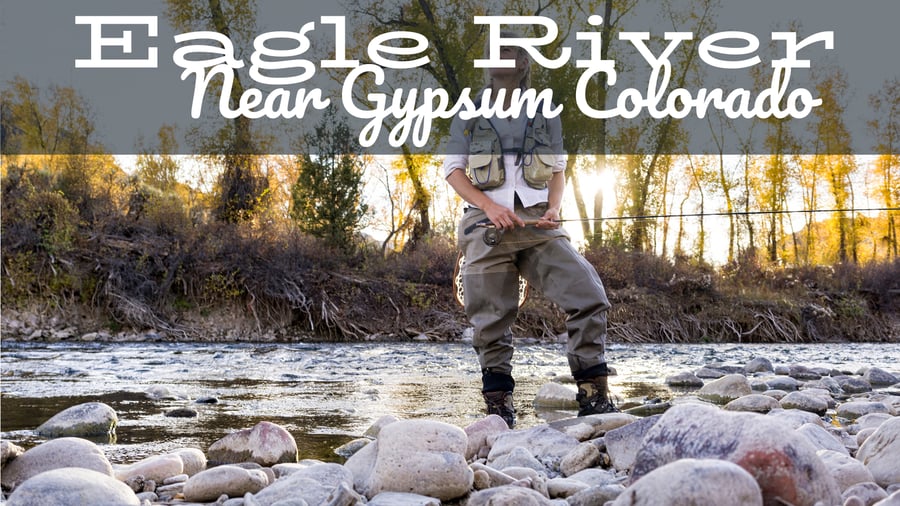
The river is cold, clear, and settling into its winter rhythm, with trout stacked in deeper walking-speed runs and soft edges that conserve energy. Feeding windows are short but reliable when sunlight reaches the valley floor. This is classic Eagle River winter fly fishing: freestone structure, precise depth control, and steady opportunity for anglers who slow
Updated: December 15, 2025
The Eagle River has transitioned fully into winter conditions from Avon downstream toward Gypsum. Lower flows and cold water temperatures push trout into predictable holding lanes, especially deep glides, inside bends, and slower seams adjacent to current. Unlike tailwaters, the Eagle rewards anglers who read structure carefully and adjust depth often.
This week’s update for Eagle River fly fishing focuses on timing and water choice. Midges remain the primary food source, with baetis nymphs becoming active during mild, cloudy afternoons. The best fishing consistently occurs late morning through early afternoon, particularly on calm days with sun exposure.
Listen to the Audio Overview
Conditions Summary
Flow: Low to moderate winter freestone flow
Water Temperature: Low to mid 30s
Air Temperature: High 30s to low 40s during the day, colder mornings
Clarity: Clear to lightly tinted
Crowds: Light in winter
Best Window: 11 a.m. to 3 p.m.
Fishing Type Focus: Winter freestone nymphing with midges and controlled drifts
Weather
Gypsum Colorado Weather
Cold mornings give way to modest afternoon warming, especially on sunny days. Cloud cover can extend feeding windows slightly, while snow events may temporarily reduce clarity before settling into productive conditions.
Top Flies in Your Box This Week
- Black Beauty 18 to 22
- Zebra Midge (black or red) 18 to 22
- Mercury Midge 18 to 22
- RS2 (black or gray) 18 to 22
- Juju Baetis 18 to 20
- Small Pheasant Tail 16 to 18
- Mini Leech (black or olive) 12 to 14
- 4
Pro Rig of the Week: Gypsum Winter Sight Nymph Rig
- Indicator: Small yarn or minimal air-lock
- Lead Fly: Small Pheasant Tail 16 to 18 or Juju Baetis 18
- Dropper: Black Beauty or Zebra Midge 20 to 22
- Weight: Light to moderate split shot adjusted to depth
- Target Water: Long glides, inside bends, and slow walking-speed seams
Hatch Chart for December
| Bug Type | Size | Notes |
|---|---|---|
| Midges | 20 to 24 | Primary winter food; trout feed almost entirely subsurface |
| Baetis nymphs | 18 to 22 | Active on warm cloudy afternoons |
| Scuds / sow bugs | 14 to 18 | Key in soft transitions and side channels |
| Winter stoneflies | 16 to 18 | Sporadic bonus movement |
Download the Eagle River Hatch Chart
Access Points
Avon Town Stretch ⭐⭐⭐⭐☆
Easy access with long glides and consistent winter holding water.
Rating: Four gold stars
Eagle Valley Trail Pullouts ⭐⭐⭐⭐⭐
Excellent winter seams and quieter water away from town traffic.
Rating: Five gold stars
Gypsum Area Access ⭐⭐⭐⭐☆
Broader runs and softer edges that fish well during winter afternoons.
Rating: Four gold stars
Stop Here After the River

After fishing the lower Eagle, head to Eagle River Brewing in Gypsum. It has a relaxed local crowd, warm lighting, and the kind of small town energy that fits a winter session on the river. Order the Red Lane Amber and the smoked brisket sandwich. It is simple, hearty, and exactly right after a day spent working slow water and tiny flies.
Local Regulations and Notes
- Respect all posted private property along the Eagle River
- Barbless hooks strongly recommended for winter trout
- Watch for early forming shelf ice in shaded banks
- Step lightly and wade minimally in low clear flows
FAQ
Q: Is the Eagle River worth fishing in winter near Gypsum Colorado?
A: Absolutely. With stable flows and reliable midge activity, this is one of Colorado’s most consistent winter freestones.
Q: What rod and tippet setup works best?
A: A 9 foot 4 or 5 weight with 5X to your lead fly and 6X to your midge dropper gives you the control and finesse winter conditions demand.
Q: Can you find dry fly action right now?
A: Occasionally. Calm sunny afternoons may produce short midge clusters in soft edges.
Q: Do streamers work in these low flows?
A: Smaller leeches and neutral-color streamers can move fish on overcast days, but nymphing is the primary program.
Q: When is the bite strongest?
A: Typically 11 a.m. to 3 p.m., when water temps rise slightly and midges get active.
Q: How do I avoid spooking fish?
A: Approach from downstream, keep wading minimal, and make your first drift precise. Low winter water does not forgive rushed movements.
Q: Is the Eagle River good in winter?
A: Yes. It offers consistent winter trout fishing with less pressure than many tailwaters.
Q: How technical is winter fishing here?
A: Moderately technical. Good structure helps, but depth control is still critical.
Q: Are dry flies an option right now?
A: Rarely. Subsurface midge patterns dominate winter success.
Q: What rod setup works best?
A: A 4 or 5 weight with a balanced leader for freestone nymphing.
Q: Does snow affect fishing much?
A: Short-term snow can reduce clarity, but fishing often improves once flows stabilize.
Q: When does the bite shut down?
A: Typically mid-afternoon once temperatures drop and shadows stretch across the river.
Companion Article for December
.png)